
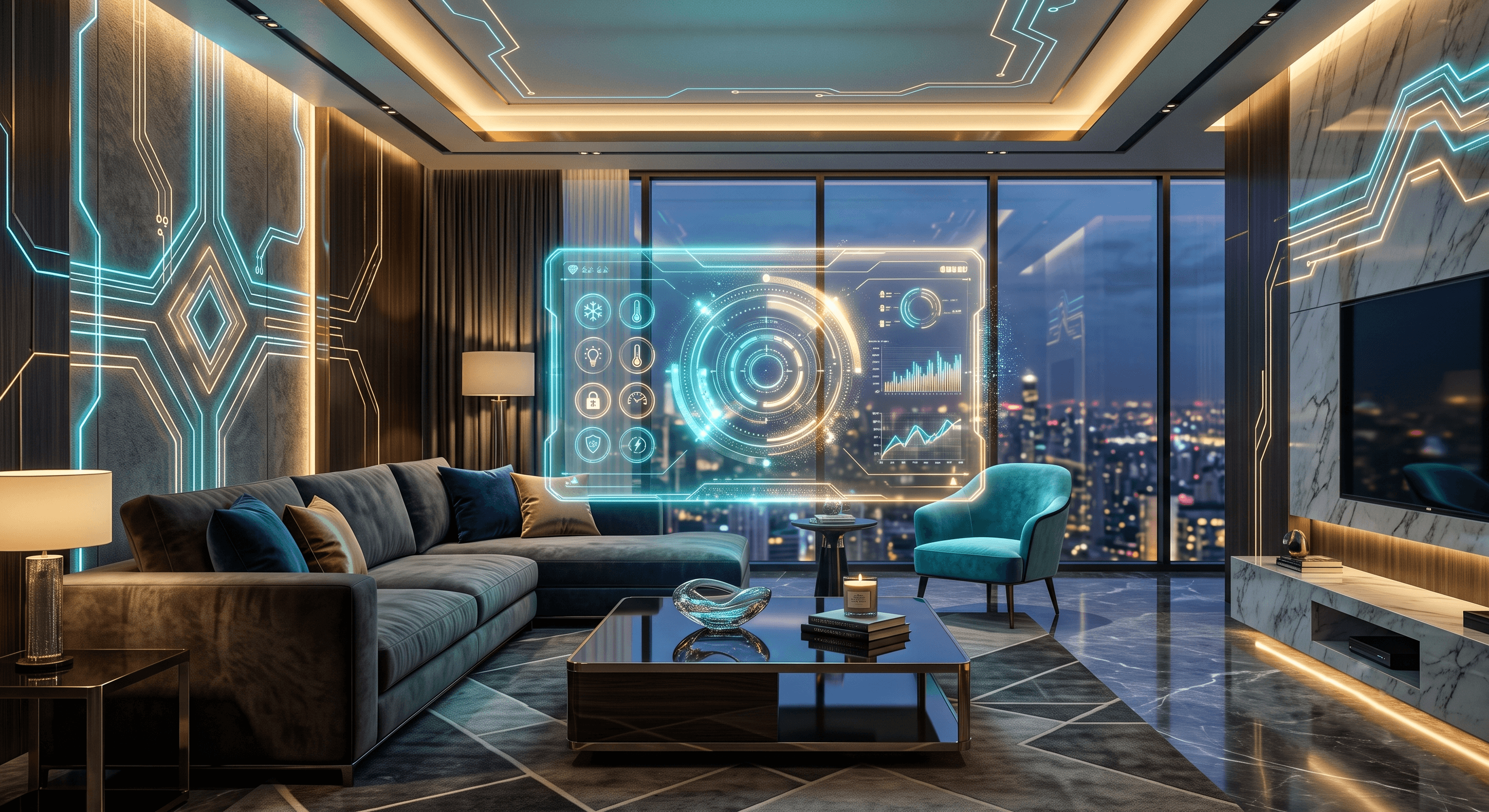
As technology rapidly evolves, innovative designs are emerging that simplify, streamline, and enhance our daily lives. One of the most prominent modern tech solutions is the concept of the Smart Home—an environment where various domestic systems are controlled automatically or remotely via internet-connected devices.
The gadgets used to build this responsive ecosystem are collectively known as smart home devices, and they are changing the way we interact with our living spaces.
What are Smart Home Devices?
Smart home devices are electronic hardware appliances that connect to the internet using Wi-Fi, Bluetooth, or other wireless network protocols. They can be monitored and controlled using smartphones, tablets, laptop computers, or voice assistants. These devices process user inputs to automate and regulate lighting, security systems, indoor temperature, and power consumption.
Key Types of Smart Home Devices
1. Smart Lighting Systems
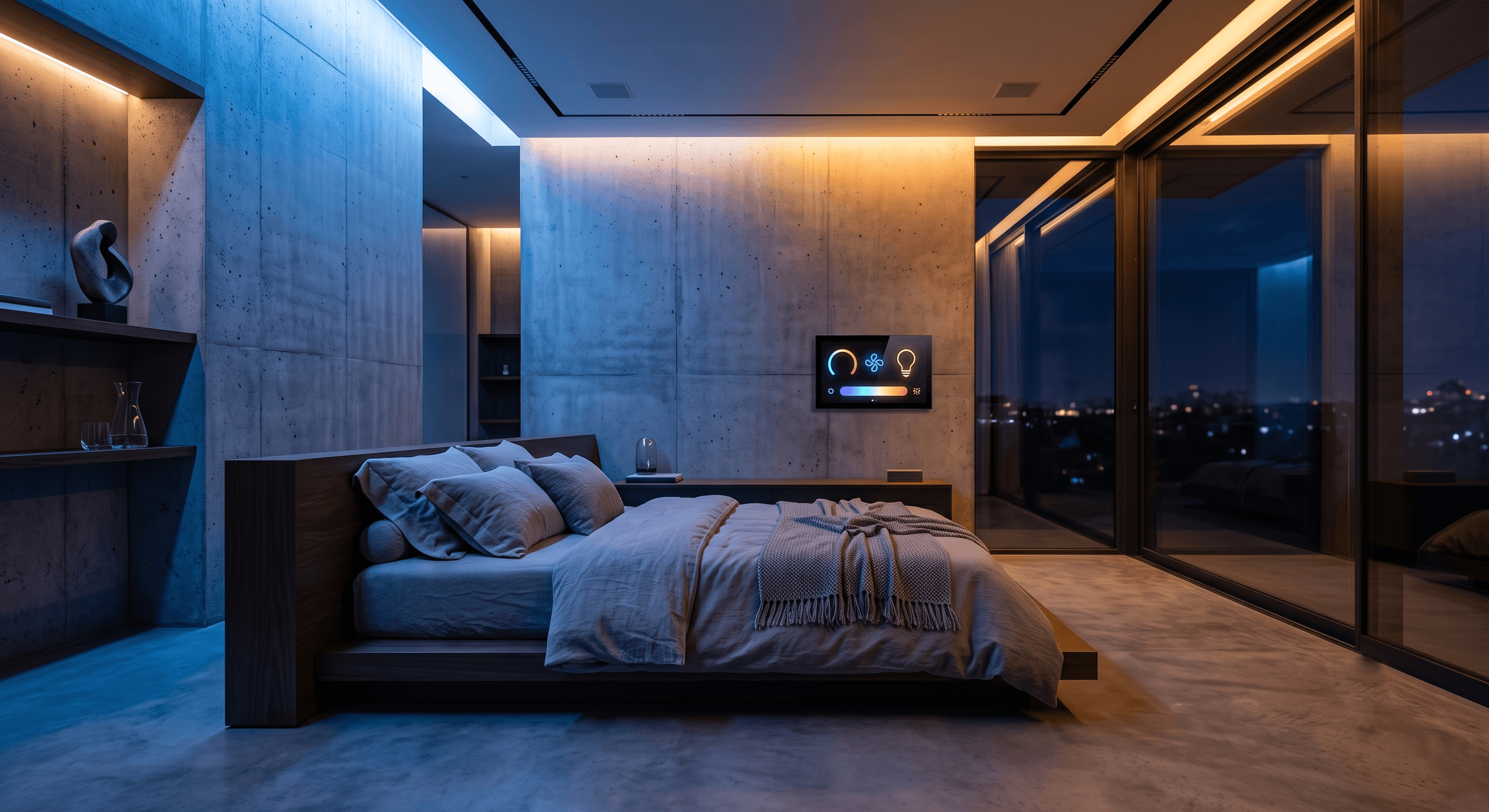
Smart bulbs and lighting grids allow users to adjust brightness, set timers, and change light colors directly from a mobile application. You can program custom schedules to automate lighting patterns based on the time of day, enhancing convenience and reducing energy waste.
2. Smart Security Systems
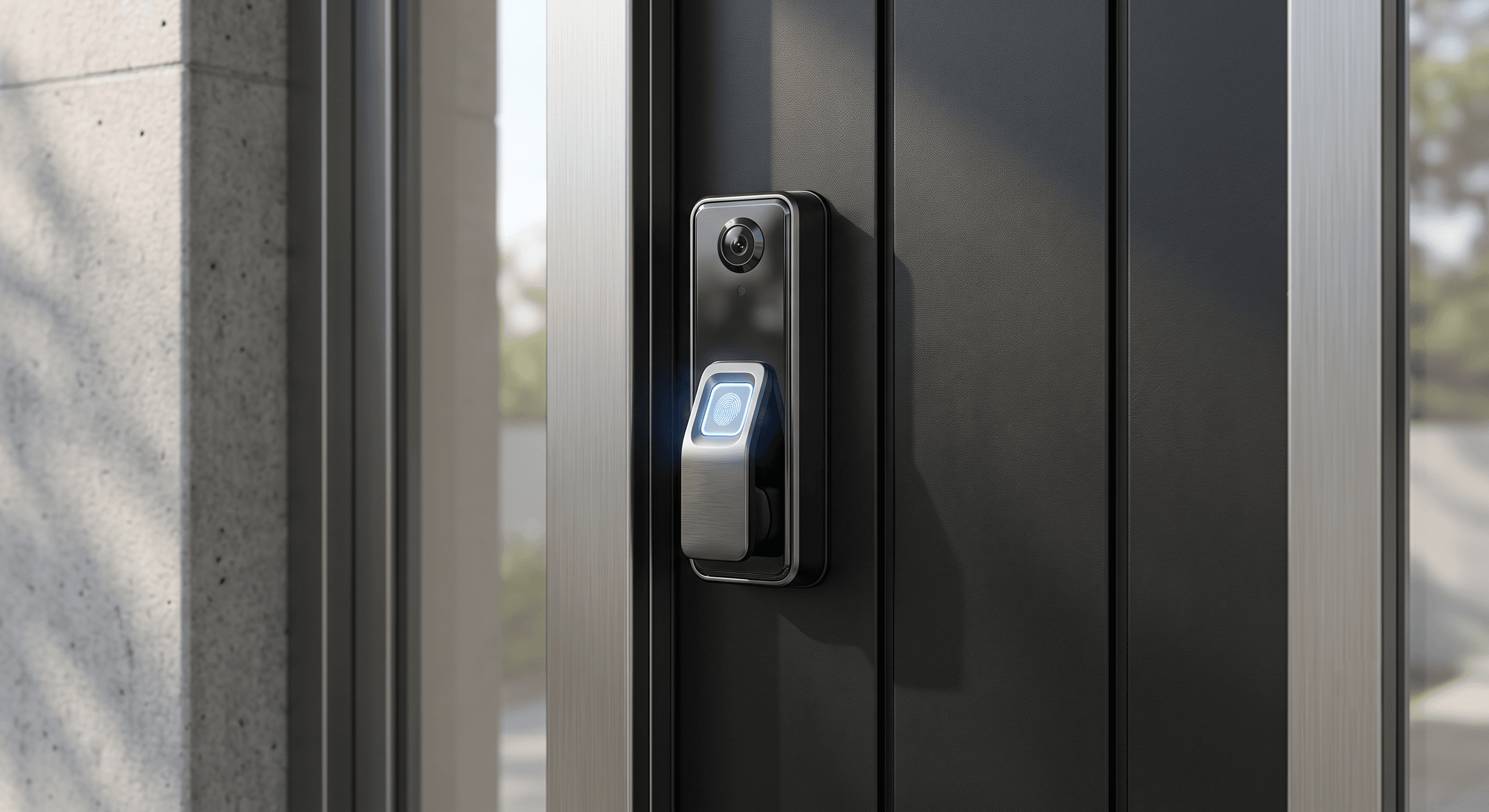
Integrated security setups include smart cameras, video doorbells, motion sensors, and smart locks. These devices monitor your property continuously and send instant push notifications to your phone if any unusual activity or motion is detected.
3. Smart Thermostats
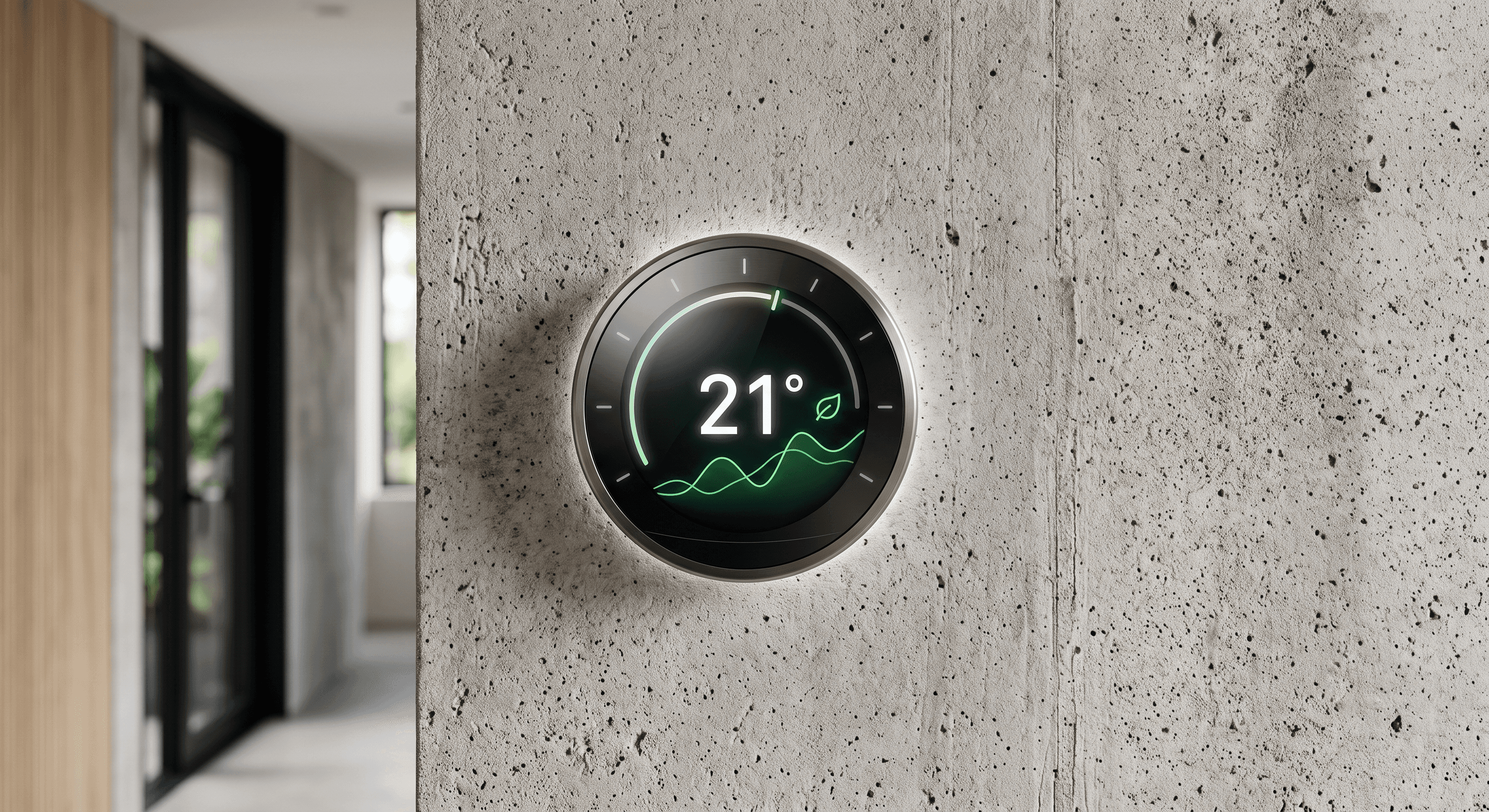
These devices optimize indoor temperature control and reduce energy consumption. Smart thermostats analyze your daily routine and adjust heating and cooling settings automatically, ensuring maximum comfort when you are home and saving power when you are away.
4. Smart Appliances
Smart technology is increasingly integrated into large household appliances, including refrigerators, washing machines, air conditioners, and robotic vacuum cleaners. These devices can be scheduled remotely, diagnose their own technical issues, and run on energy-efficient modes.
5. Smart Entertainment Systems
Smart TVs, smart speakers, and multi-room audio systems deliver high-quality media experiences. By using voice assistant commands, users can stream music, play movies, search the web, and control their entire entertainment setup hands-free.
Advantages of Smart Home Devices
- Convenience: Control multiple household devices from a single smartphone application, automating everyday tasks.
- Energy Savings: Significantly reduce electricity bills by eliminating unnecessary power usage through automated power-off.
- Enhanced Security: Monitor your property in real-time with smart cameras, instant motion alerts, and secure digital door locks.
- Time-Saving Automation: Schedule recurring domestic chores like cleaning, vacuuming, and heating to run without human intervention.
Challenges of Smart Home Technology
While smart homes offer massive benefits, users should also consider a few common challenges:
- High Upfront Cost: Initial purchase and setup costs for smart devices are generally higher than traditional appliances.
- Internet Dependency: Smart features rely heavily on a stable, high-speed internet connection to communicate.
- Privacy and Cybersecurity: Devices connected to the network are potential targets for data theft and hacking attempts if not secured properly.
- Compatibility Barriers: Integrating products from different manufacturers and ecosystems (Apple HomeKit, Google Home, Amazon Alexa) can sometimes be complex.
Conclusion: The Future of Smart Living
Smart home infrastructure is progressing rapidly with advancements in Artificial Intelligence (AI), the Internet of Things (IoT), and machine learning. In the future, these systems will become even more intuitive, automatically anticipating user needs and adjusting home environments seamlessly.