

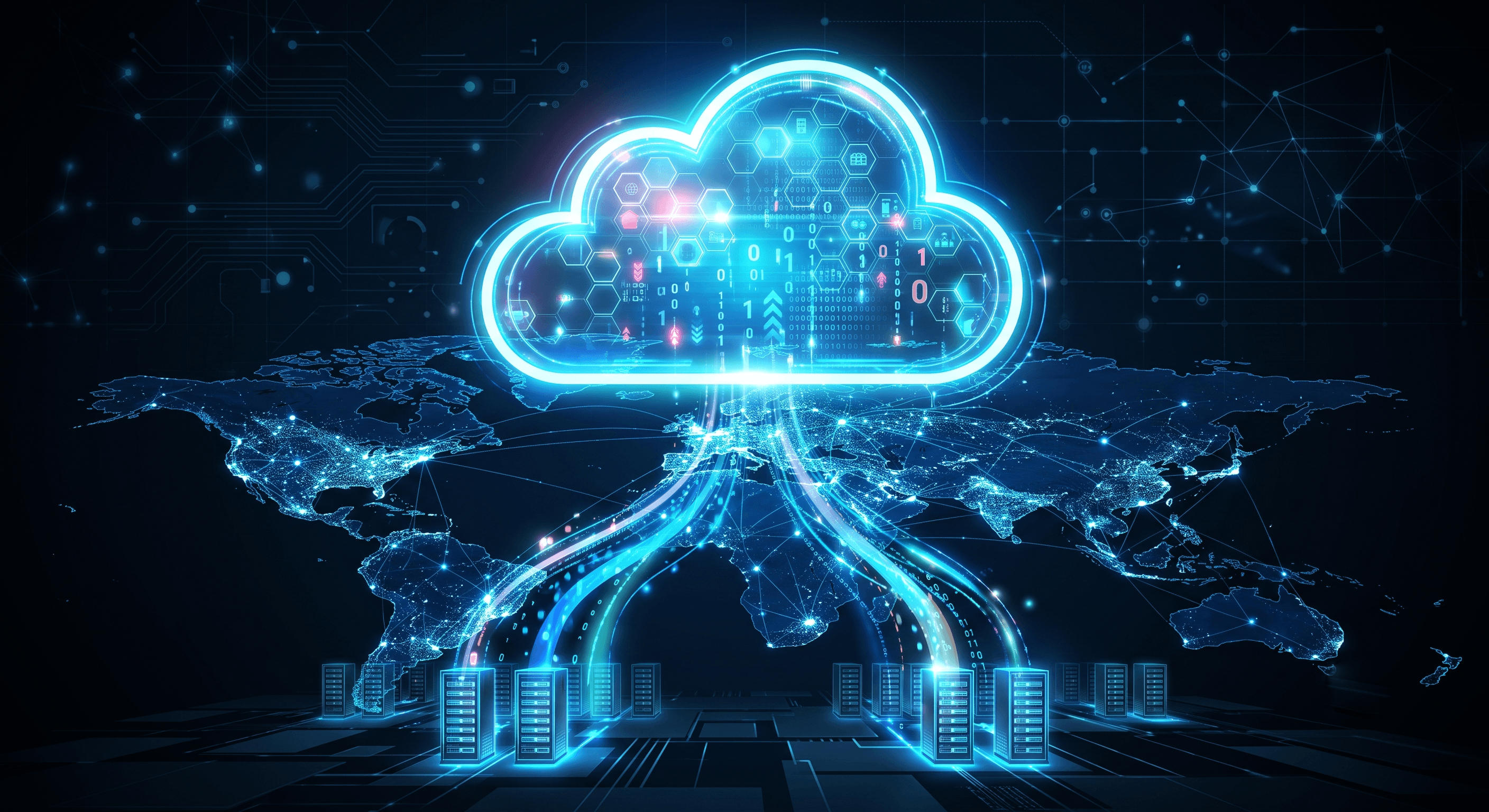

The global data landscape is expanding rapidly, making data security and backup systems essential for modern businesses and individuals. As threats and storage demands increase, backup technologies are evolving to protect critical information more effectively.
Data Backup Technology: AI and Machine Learning
Modern data backup solutions are increasingly leveraging Artificial Intelligence (AI) and Machine Learning (ML) to automate processes, recognize usage patterns, and protect data against cyber threats. AI-driven backups provide smarter automation and enhanced security compared to traditional static methods.
Automated Backup Management
Traditional scheduled backups can be inefficient. AI-driven systems monitor disk usage and file modification frequencies to automate backup schedules. This means frequently changing files are backed up more often, while static data is archived less frequently, optimizing network and storage efficiency.
Identifying Important Data
Machine learning algorithms can analyze massive volumes of files to classify and prioritize data based on its importance, helping organizations focus backup resources on critical assets:
- Business documents
- Financial reports
- Customer data
- Project files
Detecting Ransomware and Cyber Threats
AI monitors system behavior in real-time, checking for unusual file modifications, suspicious access patterns, or unauthorized read/write requests. If a ransomware attack begins encrypting files, the AI can detect the anomaly, pause the backup process to prevent corrupting the backup archives, and isolate the threat.
Predicting Storage and System Failures
By analyzing drive health diagnostics and network metrics, machine learning systems can predict potential failures before they occur:
- High probability of hardware failure
- Predictive alerts for storage space allocation
- Detecting background backup errors
- Predicting network congestion and bandwidth issues
Intelligent Data Recovery
During system failures, AI can prioritize the recovery of critical operating system files and business applications first, allowing businesses to resume operations quickly while less critical archives are restored in the background.
Storage Optimization
Machine learning helps optimize storage space by identifying duplicate files (deduplication) and automatically archiving legacy, infrequently accessed records to cold storage:
- Reduces overall storage costs.
- Increases backup and recovery speed.
- Saves physical and virtual storage space.
- Reduces cloud storage billing.
Self-Healing Backup Systems
AI-driven backup systems can perform automated integrity checks and repair corrupted files without requiring human intervention:
- Repairing Corrupted Backup Files
- Recovering Missing Data Blocks
- Automated Backup Integrity Checks
- Automatically managing backup replication
Cloud and Cloud-Native Backup Solutions
Cloud backup has become standard, offering secure, remote, and highly scalable data protection. Storing data on secure remote cloud servers protects it against physical disasters at the local site.
- Accessing backed up data from anywhere
- Automated scheduled backups
- Scalable storage capacity
- Easier disaster recovery workflows
- Protection from physical hardware failures
Real-Time & Continuous Data Protection (CDP)
Continuous Data Protection (CDP) writes changes to a separate backup location instantly as they occur, providing real-time version history and minimizing data loss windows during system crashes.
- Saves new versions of files immediately as changes occur.
- Prevents major data loss windows.
- Improves business continuity metrics.
- Enables rapid data recovery within seconds of a system crash.
High-Performance Backup Solution Architectures
Blockchain-Based Backup Systems
Blockchain technology is being introduced into backup systems to verify data integrity and prevent tampering. Because blocks of data are cryptographically linked across a decentralized network, it is extremely difficult for unauthorized users to alter or delete backups.
- Immutable backups that are extremely difficult to alter or delete.
- Enhanced cryptographic security.
- Verifiable audit trails for compliance.
- Improved resilience against cyber attacks.
Hybrid Backup Solutions
Many organizations deploy hybrid backup solutions that combine the speed of local backups with the security of cloud storage. The local copy enables rapid recovery for day-to-day issues, while the secondary cloud copy ensures recovery in case of major disasters.
Cybersecurity-Integrated Backups
Modern backup infrastructures are deeply integrated with cybersecurity frameworks to secure data from end to end:
- End-to-End Encryption
- Multi-Factor Authentication (MFA)
- Zero Trust Access Controls
- Immutable Backup storage
- Automated Threat and Anomaly Detection
Edge Computing and Internet of Things (IoT) Backup
With billions of IoT devices generating data, edge backup solutions process and backup data closer to the source device rather than sending everything to a central cloud, reducing network delay and recovery times.
- Backup occurs close to the edge devices, reducing network latency.
- Minimizes bandwidth use and data recovery time.
- Ideal for smart homes, industrial IoT, and smart cities.
Green & Energy-Efficient Backup Technology
As storage demands grow, data centers are adopting green technologies to reduce the carbon footprint and energy consumption of backup infrastructures:
- Using Renewable Energy in Data Centers
- Reducing idle power consumption of storage nodes
- Reducing carbon footprint of backup infrastructures
- Deploying energy-efficient cold storage drives
Quantum Computing and the Future of Backup
Quantum computing will eventually revolutionize data storage, enabling massive volumes of data to be stored and encrypted using quantum cryptography. While commercial large-scale quantum computing is still decades away, researchers are already preparing post-quantum encryption standards to protect future backups.