

Computer Speed/personal/free speed: Here is what you need to Know and ONE CLASSIC(OLD) Method.
Introduction
All the people in this technical era, computer system or laptop has become a vital role of our life. Computers do many functions like office work, academics, online search for almost everything you name it and they can do it. In fact, we often hear complaints that the computer or laptop is sluggish after a few months of use.
However, there can be many reasons that a laptop runs slow. As a result, laptop boot long to fully load and programs not open smoothly also exchanging apps slow (fighting for time getting beaten). Low-performance browsers can produce more than one type of this anti-shiny effect together creating its mentioned sluggishness problems.
In many such cases, the customer has a thought of beginning to buy for brand new computer; however not essentially so. You can turn even a legacy PC into something significantly faster simply by using the right renovation techniques and applying some general performance tips. Simple tricks of cleaning up unwanted files, managing Startup Programs, updating Operating System (OS) Upgrades; increasing RAM memory or overwriting a HDD with SSD can be some simple means to boost productivity in the computer.
Much of your SSD & earlier RAM capacities and green Operating System have produced the systems unquestionably speedier than even now. However, in order to tap the full potential of these technologies, they need adequate preservation measures as well. Leave it alone, a new pc will slow down eventually anyway.
In this transition we will elucidate the most important causes that slack down a Computer laptop or computer, We acquire you to be informed of those problems as properly as which software package & hardware tools can maintain way longer on your device. The top great practices stay lively thread laptops as a long manner from dad complacency.
Reasons for a Slow Computer
One of the problems faced by many users, they are the slowest computer or dimensional laptop and note book. These days it is not a single motive but rather many particular motives that pertain to hardware and software. Finally, we can move on to a broader view of the top, forces acting at multiple speeds of operations conducted on needle:
1. Excessive Startup Programs
Startup Programs A startup program is a specific type of app that runs robotically when the laptop boots (starts) Most apps on system installation insert themselves in to the Startup List automatically. Eternal Reflections: Cloud Storage Application Communications Software Utility Tools Game Launchers packages are capable of being executed &relayed as soon as it booting. Boot time Windows becomes more slow the more Startup Programs, and also consumes RAM CPU background resources. It reduces the maximum device rate usually.
2. Insufficient RAM
Random Access Memory (RAM): This is the memory that temporarily stores data while you are using a computer. If there is not enough free RAM the system will start using Virtual Memory/Page File. Whereas this terrifying disk is very slow from the RAM so issues like software lagging, device freeze and come up.
3. The hard disk is full
Free area on the storage pressure also contributes in such a manner that it reaches overall performance of the computer. The working gadget requires free space for transient records, updates and advanced reminiscence.
When the hard drive space is running up to almost 90 % full:
- Programs are sluggish to open
- This is what probably went wrong with an update (system not properly mounted)
- Overall performance decreases
On HDD–driven machines, that annoyance was exponentially multiplied.
4. Malware and Viruses
All Malware, Spyware, Adware and Viruses impacts the general performance of a computer.
This software:
- Uses CPU Resources
- Consumes RAM
- Uses Internet Bandwidth
- Runs invisibly in the background
That not only slows the computer down but also exposes data security vulnerability.
5. Using HDD
However, many older computers come with a hard disk drive (HDD). With moving parts in a HDD, the read and write speed is limited.
HDD vs SSD – An HDD (Solid State Drive) is lower in speed compared with:
- Increases Boot Time
- Increases Software Loading Time
- Slows down File Transfer Speed
This can make HDD-overusing laptop structures extraordinarily slower than belongings the use of SSD.
6. Applications Running in the Background
The majority of software program customers, without understanding it execute as Background Processes.
Examples:
- Cloud Synchronization Tools
- Antivirus Programs
- Update Services
- Messaging Applications
These packages use CPU, RAM and Network Resources hence slows down the response time of your system.
7. Missing Updates
Updates provide:
- Bug Fixes
- Performance Improvements
- Security Enhancements
So, either updating is a necessity to keep the system functioning properly.
8. Increased browser extensions and tabs
RAM use increases if various extensions are downloaded to the browser you utilize for web surfing and it is launched with multiple tabs open at once.
In particular:
- Video Streaming
- Online Meetings
- Social Media Websites
- Web Applications
9. Overheating
When the CPU and GPU cross a certain temperature threshold, then Thermal Throttling process will start.
Here:
- Reduces Processor Speed
- Controls Power Consumption
- System Performance Decreases
They are mainly due to dust accumulation, cooling fan problems and reduced air flow.
10. Old Hardware
Science has conventions and practices means more resources needed for new software programs and shortcomings of running structures. Newer applications will be sluggish if they are running on an old laptop that uses a several years' worth of processors while having much less RAM or using older storage technology. This leads to Also Hardware restrictions that are the biggest reasons for slowing a computer down
11. Cache & Trash Files Cluster
Windows as well creates transient data files and do the job nonstop inside out to generate temporary documents, cache records along with logdata. From there they accumulate in large quantities on cache recalls question results that takes up garage area, and affect device functionality. Overall efficiency might get worse if those needless data are not eliminated once in a while.
How to boost a PC/Laptop search time?
1. Disable Unnecessary Startup Programs
By limiting the applications that run with Windows you can greatly decrease Boot Time.
Steps:
- Press Ctrl + Shift + Esc
- Open Task Manager
- Go to Startup Tab
- Disable Unnecessary Applications
This can surely accelerate your computer and booting process speed.
2. Remove Temporary Files
Windows accumulates tons of pointless temporary files as time passes.
Steps:
- Press Windows + R
- Type %temp%
- Delete All Files
You can also delete System Junk Files using Disk cleanup.
3. CleanAide, Free Up Your Hard Disk Space
Low storage house impacts performance.
Things to remove:
- Unnecessary Software
- Duplicate Files
- Old Downloads
- Unused Games
- Large Videos
It recommends to keep at least 20 percent empty from the storage location.
4. Run an Antivirus Scan
Many reasons can be behind the slow operation of your computer, and viruses & malware are one major cause. Get a good condition antivirus software and scan your whole device.
Examples:
- Microsoft Defender
- Kaspersky
- Bitdefender
5. Update Windows and Drivers
This is why it is necessary to always keep your device up-to-date; updates include:
- Performance Improvements
- Security Fixes
- Bug Fixes
You must have your gadget up-to-date.
6. Clean up your browser
Too many extensions and cache documents are slowing your browser.
Things to do:
- Remove useless extensions
- Clear browser cache
- Close unused tabs
It will assist you to increase your Internet Commute velocity.
7. Reduce visible effects
Also, what you can do is lower the animations and graphic effects in Windows.
Steps:
- This PC → Properties
- Advanced System Settings
- Performance Settings
- Select "Adjust for Best Performance"
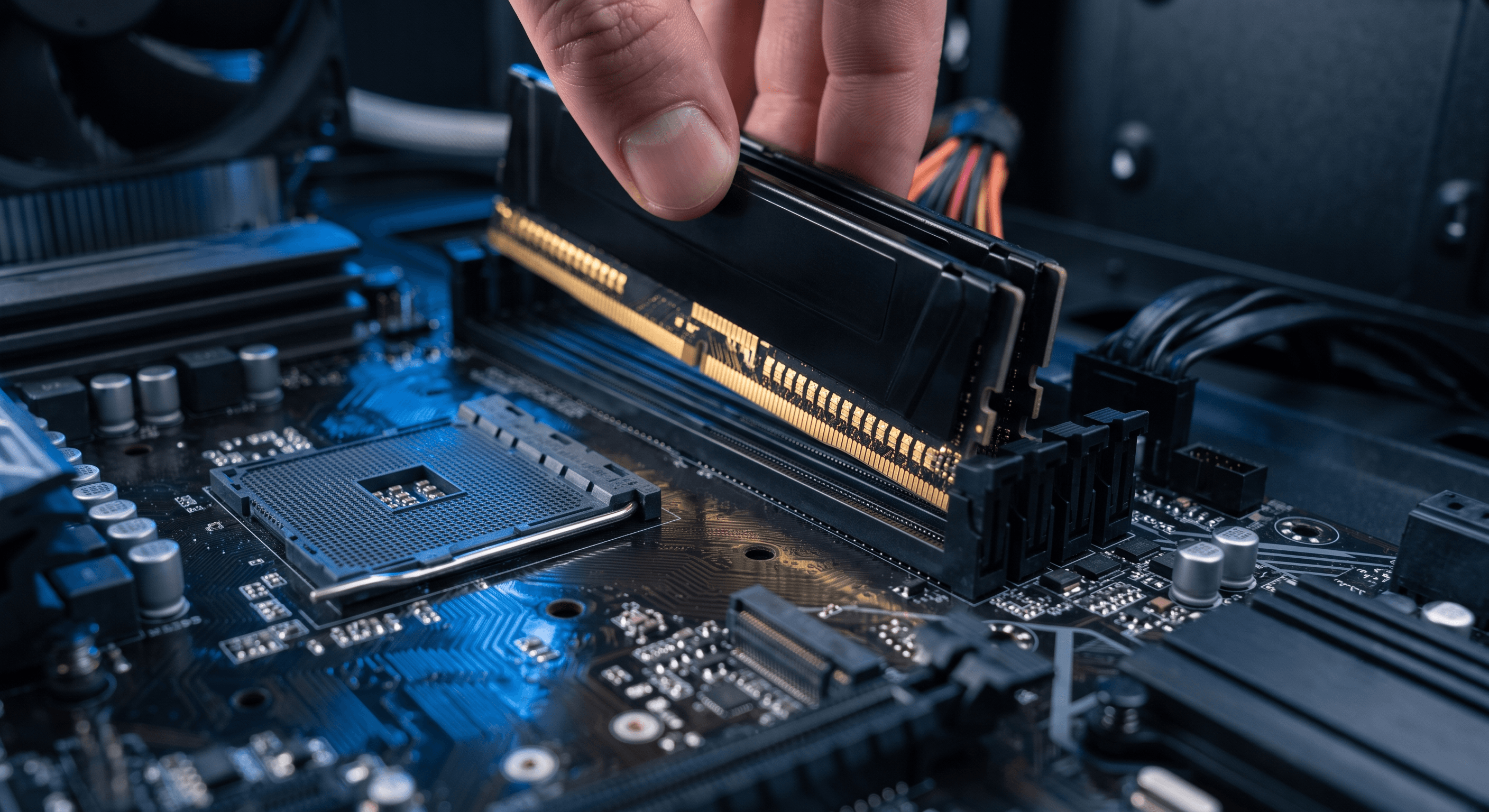
8. Upgrade RAM
Today:
- 4GB RAM – Basic Use
- 8GB RAM – Normal Use
- 16GB RAM – Professional Work
Increasing RAM improves multitasking capabilities.
9. Switch from HDD to SSD
It is simply part of higher-end hardware with speed up your PC.
Using an SSD:
- Windows Boot Time is Reduced
- Software Opens Faster
- File Transfer is Faster
- Overall System Performance is Increased
That old laptop has the potential to feel like a new machine with an SSD.
10. Clean the computer
Dust and Dirt:
- Increases CPU Temperature
- Increases Fan Speed
- Thermal Throttling
Doing maintenance tasks such as these are very useful:
- Cleaning the Cooling Fan
- Cleaning the Air Vents
- Renewing the Thermal Paste
11. Resetting Windows
Of course, if your device is super slow a Windows reset can be an effective remedy.
Steps:
- Settings → System Info → Recovery PC: Reset this PC
Download some key stats before resetting.